
Small Hallway Storage Solutions for Period Homes
Practical ways to fit slim consoles, hooks, benches and alcove cupboards into narrow period hallways, with...

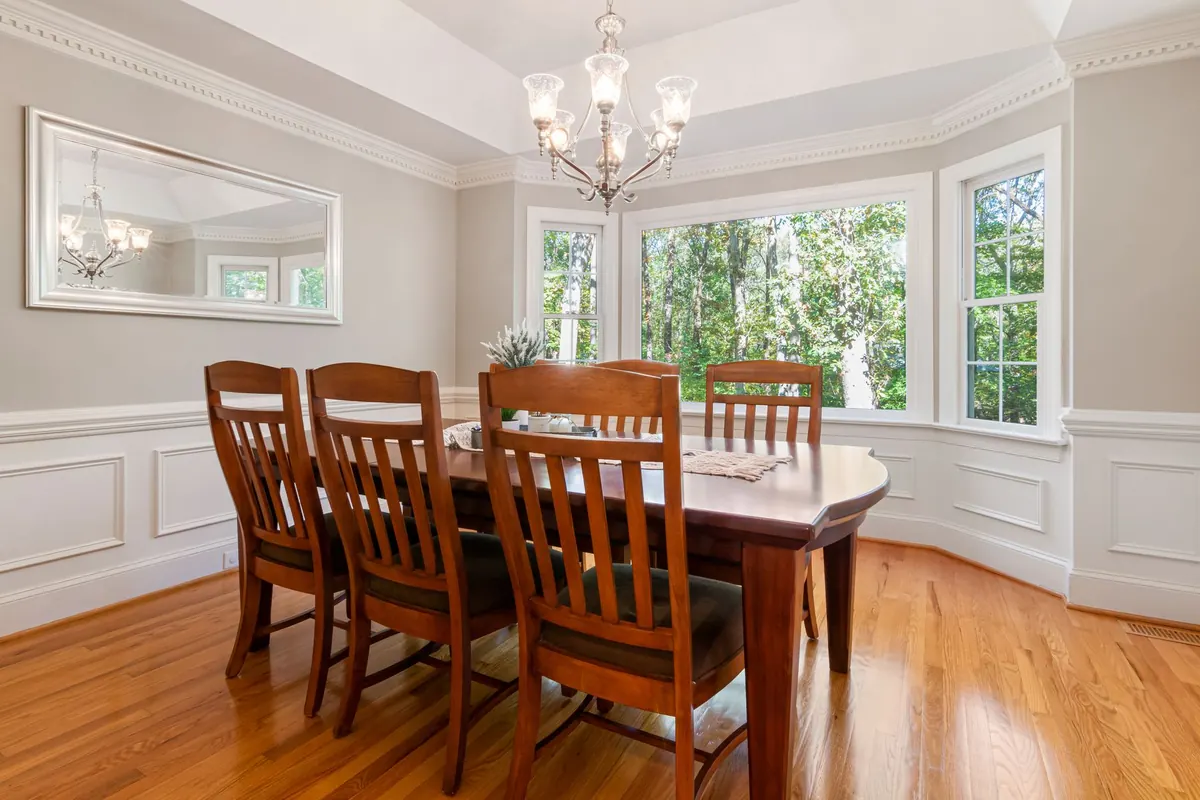
Most bay windows spend their lives doing two jobs badly: letting in daylight and collecting clutter. Yet that extra depth — often 40 to 70cm beyond the wall line — is exactly what a reading chair needs. Get the layers right and the bay becomes the best seat in the house: bright in the morning, warm after dark, and close enough to the glass that rain becomes part of the atmosphere rather than a reason to move.
Before you buy anything, spend ten minutes with a tape measure and a notebook. Measure the width of the bay at the widest point and again where it narrows, the depth from the window to the wall line, and the height of the sill. If the window has casements that open inwards, check how far they swing — a chair that blocks a window you can't open in summer will be resented by August.
Next, note which way the bay faces. South and west-facing glass takes heat and glare; a north or east-facing bay can feel two or three degrees cooler than the rest of the room on a winter evening, because glazing loses warmth faster than an insulated wall. Both are manageable, but they change what you put there: a wool throw and a floor lamp for the cold side, a linen blind and a lighter seat pad for the hot one.
Finally, look down. A radiator under the sill is common in bays and it doesn't rule out a window seat, but you'll need an air gap above it and you should avoid floor-length curtains that trap the heat against the glass.
A bench is the neatest solution when the bay is roughly 45 to 60cm deep. A seat height of 43 to 47cm suits most adults; a pad of 7 to 10cm of firm foam keeps it comfortable without making it too high to climb onto. Cushion the whole seat, then add a couple of back cushions — propped against the angled sides, they turn three panes of glass into something that feels like an alcove.
If the bay is 90cm deep or more, you have room for a proper armchair, roughly 75 to 85cm wide. Angle it 30 to 45 degrees into the room rather than squaring it to the glass. You'll still get light over your shoulder, you won't be staring at your own reflection in the evening, and the chair won't look stranded in a semicircle of empty floor. A small ottoman doubles as a footrest and, if it has a lid, as storage for magazines.
Daylight is generous in a bay, which is why so many of them fail at 7pm. Reading light should come from the side or over your shoulder, not from directly in front of you or behind your head. A table lamp on a slim side table, with the shade sitting at about shoulder height when you're seated, does this better than any ceiling fitting.
Practical points worth sorting early:
If you want a socket built into a bench or run under the floor, use a qualified electrician. It's a small job for them and an awkward one to undo.
Hard surfaces make a bay feel like a corridor. Soften it in layers rather than with one big gesture.
Start with something underfoot: a rug about 120 x 170cm, or a round one of similar diameter, is enough to define the zone without creeping across the room. On the seat, two 50cm cushions at the back and one 45cm cushion in front give you back support and a bit of colour without turning the bench into a pile. Add one small lumbar cushion if you sit there for long stretches.
Then a throw in wool, cotton waffle or a brushed weave, folded rather than heaped. In winter, a sheepskin or a thick seat pad makes a noticeable difference in a single-glazed bay.
Window dressings matter too. Full-width curtains hung across the front of a bay hide the very thing that makes it special. Roman blinds fitted to each face, plantation shutters, or a simple linen roller keep the shape of the window while still giving you control of glare. If you do want curtains, hang them on a track that follows the bay so they can be pulled back into the reveals.
Storage in a bay has one rule: nothing tall in front of the glass. Everything else is fair game.
Do it in one pass rather than shopping piece by piece. Measure first, decide on the seat, then build outwards.
Get those four steps right and the result is a corner that works all year: bright enough to read by in daylight, warm enough to stay in after dark, and tidy enough that it doesn't quietly become the place where everything gets put down.
Photo: Curtis Adams / Pexels
Practical ways to fit slim consoles, hooks, benches and alcove cupboards into narrow period hallways, with...
A practical buying checklist for vintage rugs, covering condition, size, colour, cleaning, underlay and...
Rental kitchens can be transformed without permanent changes. Cover tired tiles, swap handles, layer in...