
Small Hallway Storage Solutions for Period Homes
Practical ways to fit slim consoles, hooks, benches and alcove cupboards into narrow period hallways, with...

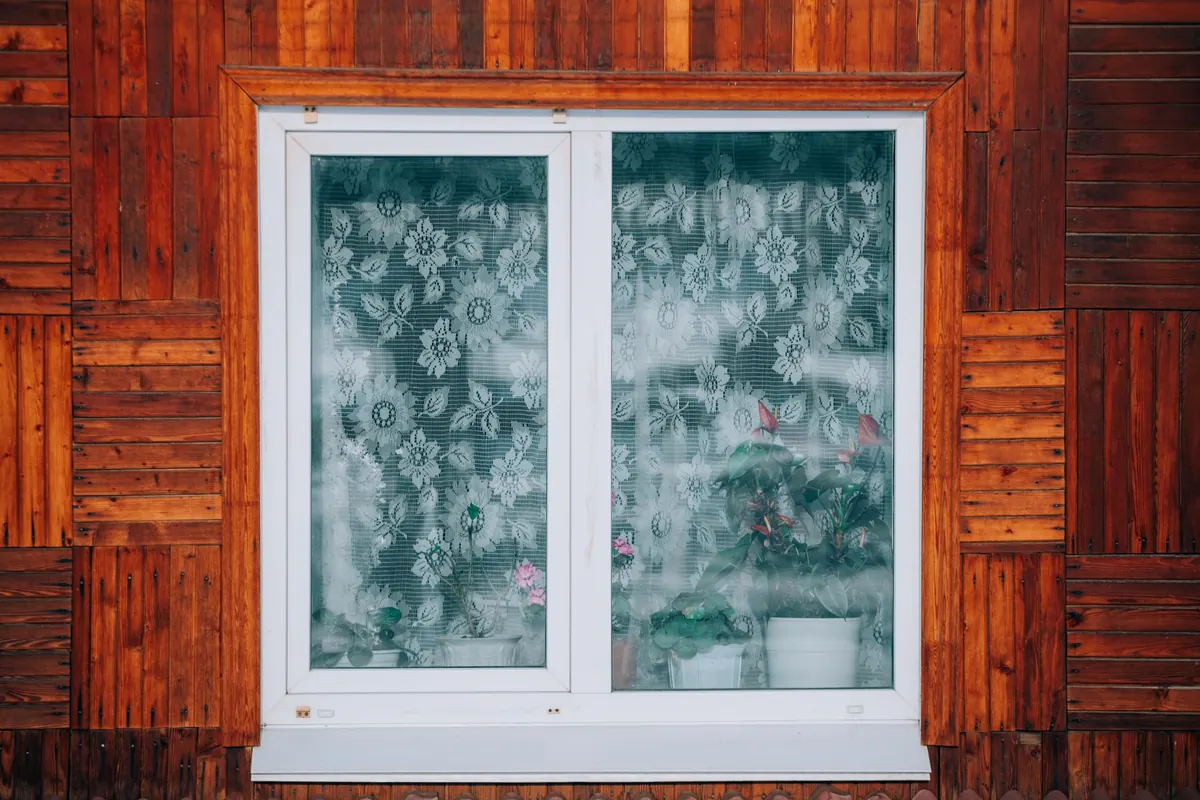
Curtains are one of the few things in a room that change both how it looks and how it feels. Get them right and the window looks wider, the ceiling feels taller, and a draught you had almost stopped noticing quietly disappears. Get them wrong and even lovely fabric can look thin, short and somehow misplaced — without it being obvious why. Most curtain problems come down to measuring and fitting rather than the fabric itself, which is good news, because those are the parts you can put right.
This is the mistake that does the most damage. A pole fitted tight above the window frame pulls the eye downwards, chops the wall in half and makes the whole room feel lower than it is.
Aim for at least 10cm to 15cm of wall between the top of the recess and the pole, and more if the ceiling allows. Where you have decent height, going higher still — halfway between window and ceiling, or right up to the ceiling on ceiling-fixed brackets — is usually worth it. The curtains then appear to start near the ceiling, which reads as extra height.
Before you drill, hold a length of string across the wall at your proposed height and stand back. It's a two-minute check that saves a wall full of holes. Think about the drop at the same time: with a pencil pleat heading you can hook into the top, middle or bottom row of the tape, which shifts the curtain by a few centimetres and can be used to hide a track you'd rather not see.
Curtains need somewhere to go when they're open. If the pole stops at the edge of the window, the fabric stacks up over the glass and you lose light all day, every day.
Extend the pole 15cm to 20cm past the window opening on each side as a minimum; 20cm to 30cm is better for wide windows or heavy fabric. If the room allows, take the pole out towards the corners — it makes a modest window feel generous and gives the curtains room to sit clear of the glass. Measure the pole itself, not the finials: decorative ends can add 10cm or more, and they don't hold rings.
This is where good fabric starts to look mean. Curtains are meant to have folds in them, and the amount of fabric that goes into those folds is set by the fullness ratio — the total curtain width compared with the width of the pole.
Measure your pole, subtract the finials, multiply, then halve it to get the width of each panel in a pair. If you're buying ready-made, check the stated width per panel rather than trusting the photograph. A pair that only just covers the window will hang flat when closed and all but vanish when open.
Headings aren't only a style decision; they behave differently. Eyelets need a pole and slide easily, which suits bedrooms and rooms where curtains are opened daily — they also sit above the pole, so allow for that when measuring. Tab tops look relaxed but bunch awkwardly when pulled and leave a gap at the top. Pencil pleat is forgiving on both tracks and poles. Pinch pleat and wave headings give a tailored, even fold, but they want decent fabric and a proper track behind them.
Heavy velvet on a slim pole, or a light linen on a substantial heading, will always disappoint. Thick fabric needs a stronger heading and sturdier brackets.
Unlined curtains are lighter and quicker to make, and they show it. Lining adds weight so the fabric falls in proper folds, protects the face fabric from sunlight, keeps light out and slows heat loss through the glass.
In a cold room, a thermal or blackout lining makes a noticeable difference; interlining — a layer of wadding between fabric and lining — adds warmth and gives curtains a fuller, more upholstered look. Lining also hides the back of the fabric, which matters if the curtains are seen from the street.
A long curtain draped over a radiator is a false economy. Heat rises behind the fabric and heads for the window, while the room stays cool at floor level where you actually sit. If you can, stop the curtain at or just above the radiator top, or use a blind instead. Where curtains must be full length, make sure they stack back clear of the radiator when open, and consider a radiator shelf to push warmth out into the room rather than up the wall.
Check the hem, too. Floor-length curtains should just brush the floor or sit roughly 1cm above it; over carpet they need adjusting so they don't drag when the pile flattens. Sill length is a neat choice in kitchens and over radiators, but measure to the sill rather than the frame, and add a little extra if you want a deliberate break below it.
If the curtains you already have disappoint, work through the faults before reaching for a new pair.
Get the pole position and the width right and almost everything else follows: the folds look fuller, the window looks larger, the room stays warmer, and the curtains finally look as though they were meant to be there.
Photo: Ivan Babydov / Pexels
Practical ways to fit slim consoles, hooks, benches and alcove cupboards into narrow period hallways, with...
A practical buying checklist for vintage rugs, covering condition, size, colour, cleaning, underlay and...
Rental kitchens can be transformed without permanent changes. Cover tired tiles, swap handles, layer in...