
Small Hallway Storage Solutions for Period Homes
Practical ways to fit slim consoles, hooks, benches and alcove cupboards into narrow period hallways, with...

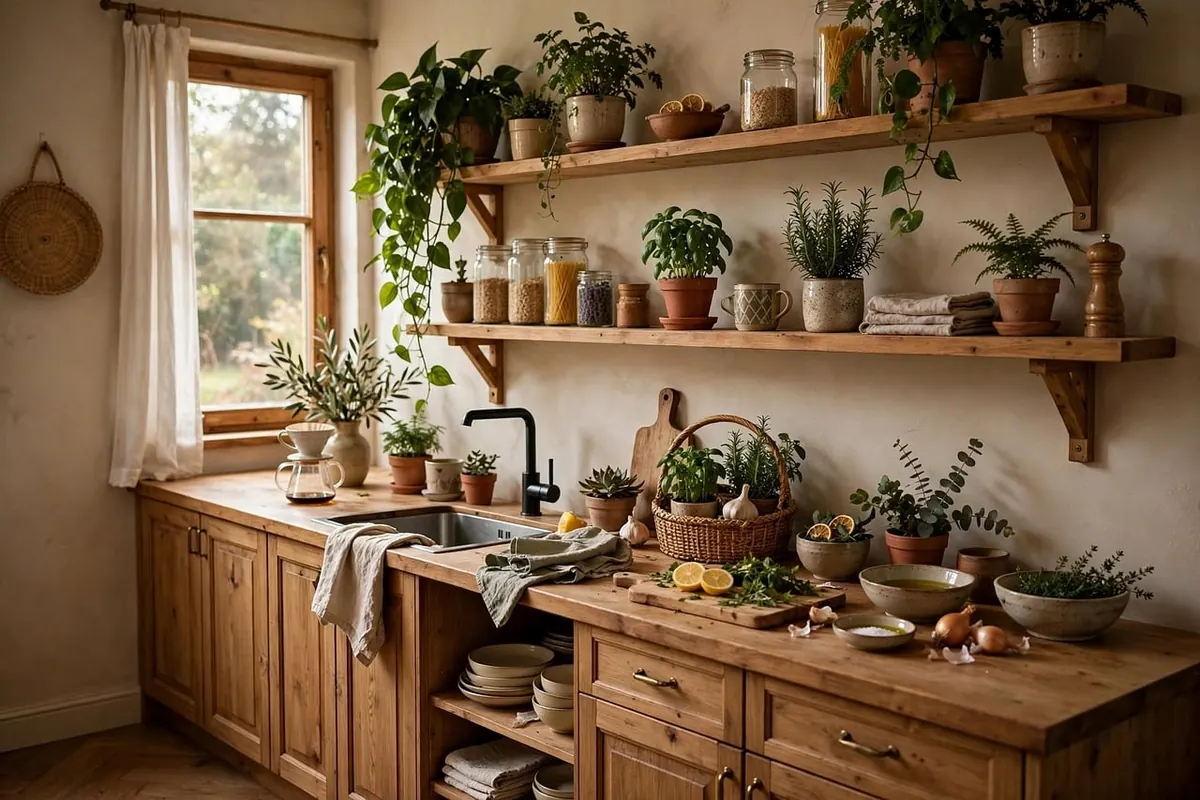
Most British homes were not designed for jungle plants. The windows are modest, the eaves are deep, and by December the sun sits so low it barely clears the house opposite. That is not a reason to give up on greenery. It is a reason to choose plants that evolved on a forest floor, where light was always scarce, and to let your care routine follow the seasons rather than the calendar.
Before you spend anything, stand where the plant will live and hold up a sheet of white paper at midday. Put your hand between the paper and the window. A sharp, defined shadow means bright light. A soft, blurred shadow means low but usable light — the sweet spot for most of what follows. No shadow at all is deep shade, and only a handful of plants will tolerate it for long.
Orientation matters less than people assume, but it is a useful starting point. North-facing rooms rarely receive direct sun at any time of year. East windows deliver a short burst of gentle morning light; west ones give warmer afternoon sun in summer, which can scorch leaves pressed against the glass. South-facing rooms are brightest, and plants there will dry out faster and need more frequent watering.
Two easy improvements: clean the glass, and pull net curtains back during the day. A grimy pane and a layer of voile can cut the light reaching your plants by a surprising amount. Do keep pots a few centimetres clear of the glass in winter, though — cold panes damage leaves that touch them.
The following all manage in low, indirect light. They will grow more slowly and may look a little sparser than the photographs, but they will survive, which is the point.
What to avoid in a gloomy room: cacti, echeveria and most succulents, culinary herbs, citrus, and flowering plants such as gardenia. They will stretch, pale and eventually rot. Expect a little leaf drop from anything newly bought, too — nursery plants are raised in far brighter conditions and need a few weeks to adjust.
More houseplants drown than dry out. In low light, growth slows and compost stays wet for far longer, so the weekly watering habit that worked in June will rot roots by January.
Check the compost before you pour. Push a finger two or three centimetres into the surface; if it feels cool and damp, wait. Lifting the pot is just as reliable once you learn the difference — a dry pot is noticeably light. When you do water, do it properly: soak until water runs from the drainage holes, then tip away whatever collects in the saucer within twenty minutes.
Central heating dries the air, and thin-leaved plants — ferns, calatheas, peace lilies — respond with crisp brown tips. Grouping plants together helps slightly, as does standing pots on a tray of pebbles with water kept below the base of the pot. Keep foliage away from radiators and from cold draughts under doors.
Misting is largely a waste of time. It raises humidity for a few minutes and leaves foliage damp, which can encourage fungal leaf spots. A small humidifier does more, and choosing tougher plants does more still. Kitchens and bathrooms, which hold moisture naturally, suit ferns far better than a dark hallway does.
Mould in British homes is usually about the building rather than the plants — cold walls, condensation, laundry drying indoors, blocked vents. Houseplants can tip a borderline room the wrong way by adding moisture and blocking airflow along a windowsill. A few habits keep the balance.
A fuzzy white growth on the surface of compost is common and generally harmless. Scrape it off, let the top layer dry out and improve airflow. Grey, fuzzy mould on leaves is a different matter: remove affected foliage, keep water off the leaves and increase ventilation.
If you have persistent damp or black mould on walls, treat it as a housing issue rather than a plant problem. Speak to your landlord or a qualified damp specialist, and see a GP if it is affecting your breathing or allergies.
Start with three tough plants rather than a collection, and put them where the light is best rather than where they look tidiest. Learn the weight of a dry pot. Accept that a lost leaf in February is normal, and that a slow, slightly scruffy plant is doing better than a perfect one that dies by Christmas. Note roughly when you water, and you will quickly spot the pattern your home asks for.
Practical ways to fit slim consoles, hooks, benches and alcove cupboards into narrow period hallways, with...
A practical buying checklist for vintage rugs, covering condition, size, colour, cleaning, underlay and...
Rental kitchens can be transformed without permanent changes. Cover tired tiles, swap handles, layer in...